Research Articles

The AI Brain Boost: How Machine Learning is Supercharging Neuromodulation Research
Discover how WIKISTIM.org is revolutionizing neuromodulation research through machine learning, with breakthrough results in treating addiction and neurological disorders.

The Nano-Alchemists: How Russia is Transforming Catalysis with Atomic Precision
Exploring Russia's advancements in nanocatalysis technology and its industrial applications

The Tiny Tango of Platinum and Molybdenum: Revolutionizing Biomass Conversion
Discover how platinum nanoparticles decorated with molybdenum clusters are transforming biomass conversion into sustainable fuels and chemicals.

Unlocking the Lab: How Open Science is Building Europe's Digital Knowledge Society
Exploring how Open Science is transforming Europe's research landscape and accelerating digital transformation through open access, open data, and collaborative innovation.
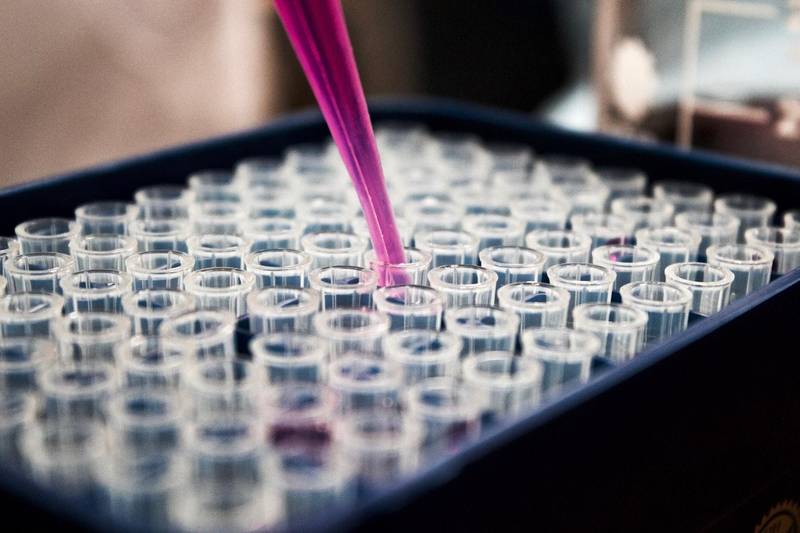
Molecular Matchmakers: How Olefins Are Reinventing Chemistry's Classic Move
Exploring the revolutionary approach of metal-catalyzed reductive coupling of olefin-derived nucleophiles in modern chemistry.
The Graphdiyne Revolution: Unlocking Green Ammonia Synthesis
Discover how graphdiyne-based catalysts are revolutionizing ammonia synthesis through room-temperature electrochemical processes, offering a sustainable alternative to the energy-intensive Haber-Bosch method.

The Sun in a Tank: Modeling the Future of Solar-Hydrogen Generators
Exploring the technology, modeling challenges, and economic viability of solar-hydrogen generators as a clean energy solution.

The Solidarity Algorithm: Decoding How Collective Action Changes Worlds
Exploring how solidarity functions as society's operating system—examining its scientific foundations, real-world mechanics, and revolutionary potential.

The Invisible Governors: How Corporatocracy Reshapes Democracy from Mexico to the World
Exploring how corporate power reshapes democracies globally, with Mexico as a case study of corporatocracy's impact on society, economy and governance.
The Digital Alchemists: How Supercomputers Are Forging Tomorrow's Materials
How high-performance computing is revolutionizing materials chemistry and enabling breakthrough discoveries at atomic scale.